

Allergies are the result of an overactive immune system. There is likely a genetic component, which makes them more common in purebred dogs — especially short-haired breeds.
Symptoms often appear as:
- Itching and scratching, particularly the armpits, belly, and tail region
- Redness of the skin
- Obsessive foot licking
- Recurring ear issues
What to expect
Allergies can be a continuous struggle for both pets and their families, and it's worth being honest up front: there is no real cure. Our goal is to control at least 80% of the itching.
The first step is identifying whether your dog has environmental allergies, food allergies, or both. This often takes trial and error, and patience is a genuine part of the treatment.
Food Allergies
Diagnosing a food allergy means feeding a special diet for eight weeks. It takes roughly six weeks for the change to take effect, and another two weeks before you can see a difference.
This requires following the diet strictly — eliminating all table food and all other treats and snacks. Otherwise the trial results will be unreliable and the itching will continue without you knowing why.
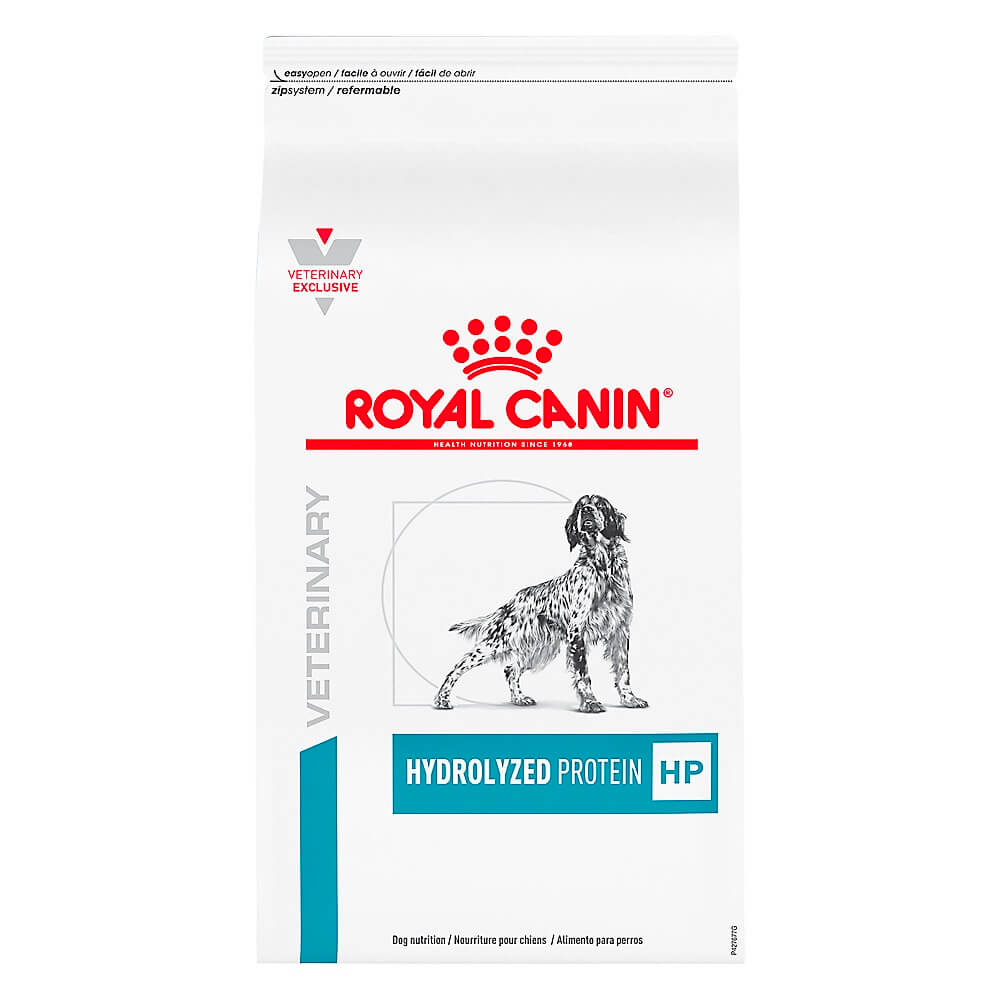
The most commonly recommended option is a hydrolyzed protein diet, sometimes described as a "predigested" diet: Royal Canin Veterinary Diet Hydrolyzed Protein, paired with Hypo Treats by Hill's Prescription Diet when you need something to give as a reward.

Environmental Allergies
Environmental allergies require medication both to bring symptoms under control and to help with the diagnosis itself.
Steroids or Cyclosporine
Often used for initial treatment. This immunosuppressant suppresses the immune cells stimulated by allergens. It's effective, but not safe to give long term because of the number of side effects it can cause.

Apoquel
A daily pill — sometimes twice daily — given long term. It starts working within 24 hours. Generally safe, though rare side effects including vomiting and diarrhea can occur.

Cytopoint
Works similarly to Apoquel but takes about two days to take effect, and is given as an injection by your veterinarian every four to eight weeks depending on how quickly signs return. Waiting until symptoms fully return before getting a booster can cause it to stop working.
Flea Allergies
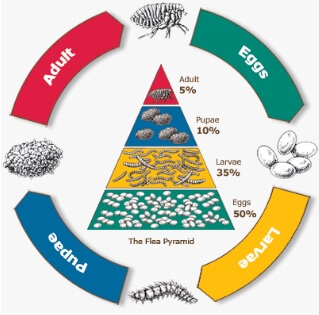
Fleas are a year-round issue and can cause severe skin reactions if they aren't treated seriously. The mucus from flea bites stimulates dogs to eventually develop allergies.
This is the part people most often miss: regardless of any other allergy medication, without good flea control all allergy treatment will fail.
Step 1
Preventing fleas on your pet

Prescription oral flea preventatives such as Bravecto or NexGard, given consistently throughout the year — not just in summer.
Step 2 — and just as important
Preventing fleas in the environment
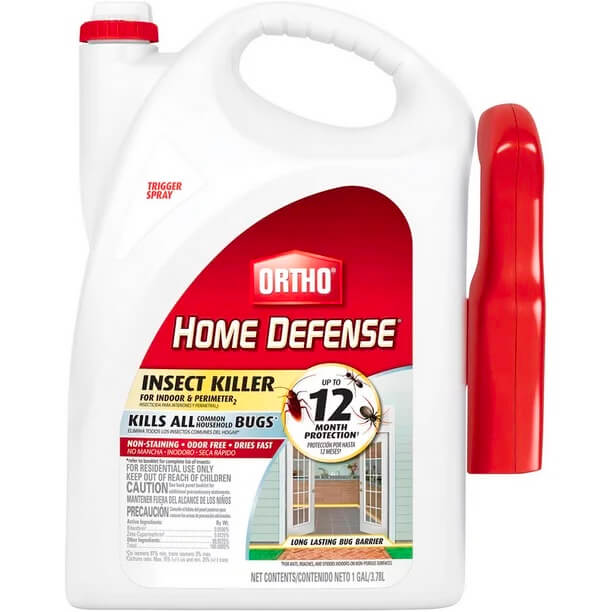
Regular yard and home treatments, such as Ortho Home Defense, to keep the surrounding environment free of fleas. Treating the pet alone is not enough.
Allergy Testing
Allergy testing looks for environmental allergies only — it will not identify food allergies. It's a significant commitment, so it's worth considering only if all of the following are true:
Duration
Symptoms have been going on for a year or more.
Injections
You're comfortable giving injections at home.
Record keeping
You're able to keep a careful, consistent treatment diary.
Timeline
You're ready for a seven to nine month trial.
Once results come back, hypersensitivity injections are generally required for the rest of your pet's life. These work by gradually resetting the immune system: small amounts of the allergen are given over months, and if your pet becomes too itchy, a smaller dose is given over a longer period.
After the initial phase, maintenance injections are given every 15 days — though in some cases only about three years of treatment is needed. When injections are followed consistently, the reset success rate is around 80%.
Is your dog constantly itchy?
Allergy work takes patience, but it's very manageable once we know what we're dealing with. Let's start with an exam.