
Kidney Failure in Dogs and Cats
Damage to the kidneys over a long period is called chronic kidney disease (CKD) — also known as chronic renal failure, renal insufficiency or kidney insufficiency.
It happens when there is not enough working kidney tissue left to maintain normal function. By the time symptoms appear, around 75% of function has usually been lost. Causes of this slow decline include blood pressure changes, dental disease, ingested toxins and general ageing.
Staging Chronic Kidney Disease
Staging is based on a stable blood result, not a single reading taken while your pet is unwell. It tells us how much function remains and guides treatment.
| Measure | Stage 1 No azotemia |
Stage 2 Mild azotemia |
Stage 3 Moderate azotemia |
Stage 4 Severe azotemia |
|---|---|---|---|---|
| Creatinine, canine (mg/dL) | Less than 1.4 (125 µmol/L) |
1.4–2.8 (125–250 µmol/L) |
2.9–5.0 (251–440 µmol/L) |
Greater than 5.0 (440 µmol/L) |
| Creatinine, feline (mg/dL) | Less than 1.6 (140 µmol/L) |
1.6–2.8 (140–250 µmol/L) |
2.9–5.0 (251–440 µmol/L) |
Greater than 5.0 (440 µmol/L) |
| SDMA, canine (µg/dL) | Less than 18 | 18–35 | 36–54 | Greater than 54 |
| SDMA, feline (µg/dL) | Less than 18 | 18–25 | 26–38 | Greater than 38 |
| Nonproteinuric | Borderline proteinuric | Proteinuric | |
|---|---|---|---|
| Canine | < 0.2 | 0.2–0.5 | > 0.5 |
| Feline | < 0.2 | 0.2–0.4 | > 0.4 |
| Normotensive | Prehypertensive | Hypertensive | Severely hypertensive |
|---|---|---|---|
| < 140 | 140–159 | 160–179 | ≥ 180 |
Immediate symptoms
Loss of appetite, low energy, vomiting, diarrhoea and bad breath.
Longer term effects
Decreased appetite and picky eating, and muscle loss — pets become thin and find walking harder.
Kidneys do more than make urine
They also (1) remove toxins, (2) manage hydration and pH balance in the blood, (3) maintain blood protein and balance minerals, (4) manage blood pressure, and (5) stimulate blood production.
Testing lets us work out how much function remains and the stage of disease, so we can slow progression, control symptoms and protect quality of life.
Treatment and Therapy
Because kidney function is lacking, it is important to start therapy straight away so we can help the kidneys do their normal work.
Immediate
Full panel bloodwork, blood pressure assessment, urine protein:creatinine ratio, hospitalisation, IV fluids and sometimes assisted feeding — enough to get your pet back to a more normal life at home.
Ongoing — lifelong
Repeat bloodwork every 3–6 months, depending on how your pet is doing. If low appetite, low energy or increased drinking appear in between, they must be seen sooner.
Getting Rid of Toxins
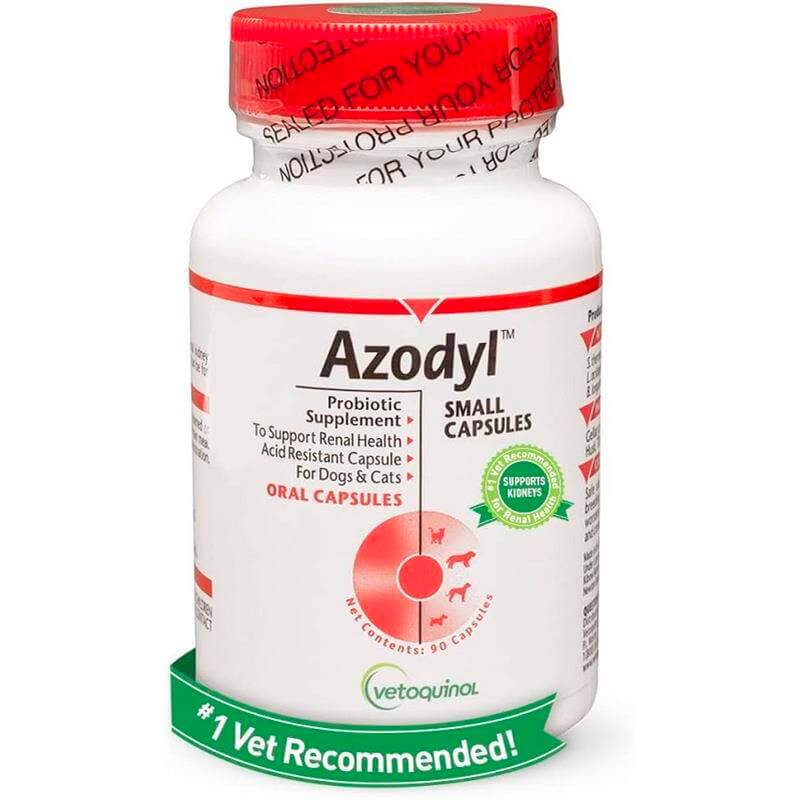
Azodyl™ by Vetoquinol contains probiotics and fibre made up of beneficial bacteria that help reduce nitrogen levels in cats and dogs.
Hydration and pH Balance
- Feed wet food only. You can add extra water to it.
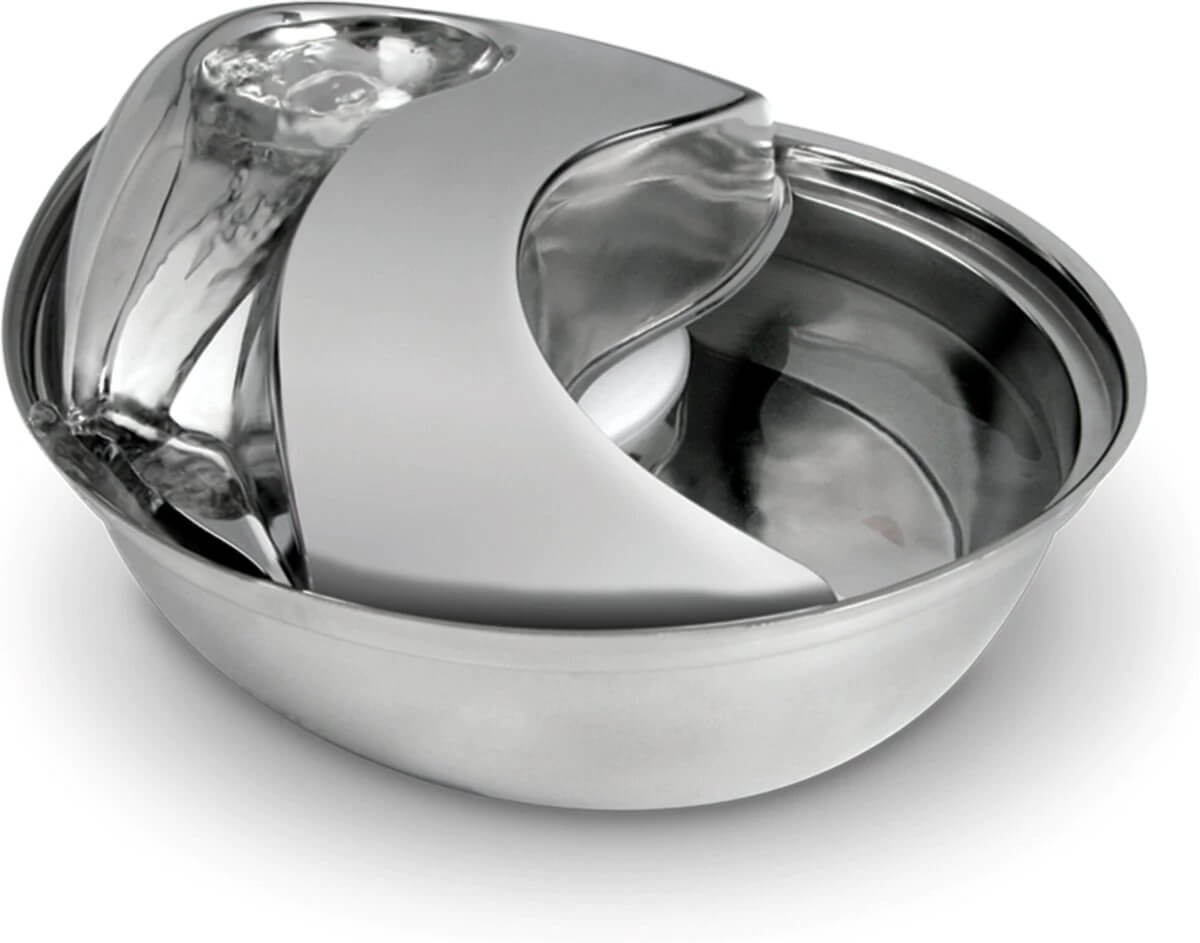
- Increase water intake with a fountain — the Pioneer Pet stainless steel raindrop fountain works well.
- Subcutaneous fluids are given according to need, typically once or twice weekly. These are available for pick-up and refill at our clinic.
Proper Diet
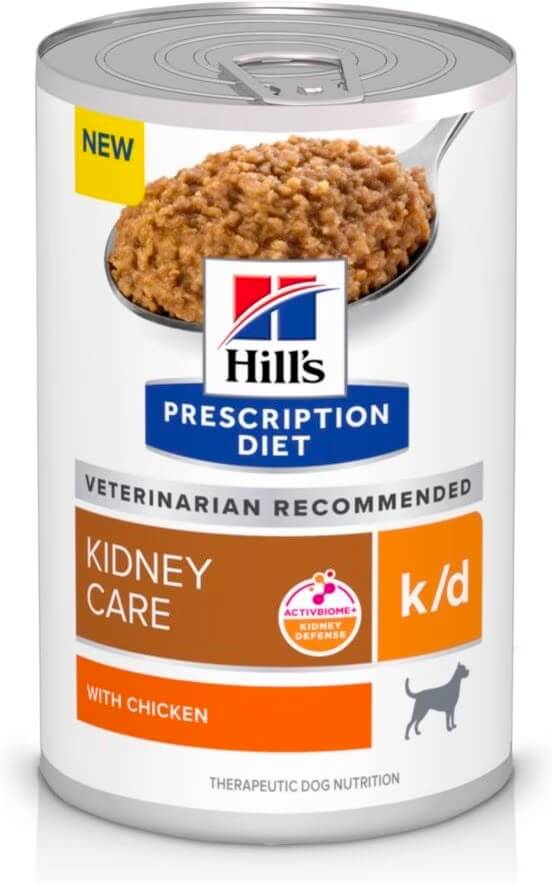
Alongside supplements, a balanced prescription diet helps slow the progression of chronic kidney disease, stimulate appetite and increase calorie intake. We recommend Hill’s Prescription Diet™ k/d Kidney Care wet food, available for both cats and dogs with a prescription.
Supplements and Medications

Renal Essentials™ — Feline
Supports renal circulation, antioxidant defences, fluid balance and normal detoxification.
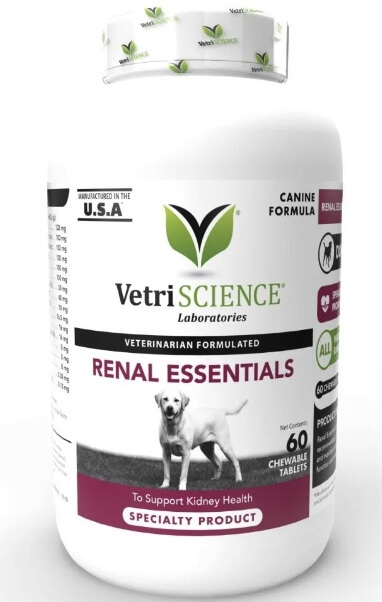
Renal Essentials™ — Canine
The same support formulated for dogs.

Bladder Support
Dr. Mercola, Bark & Whiskers™ — helps reduce the chance of bladder infection and supports urinary function.
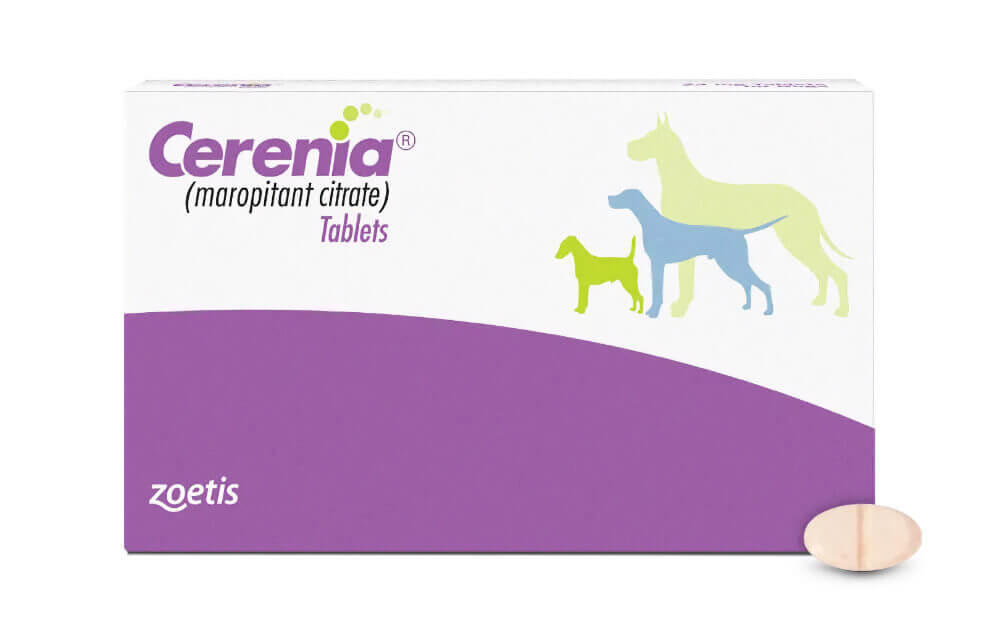
Cerenia™ — prescription
The first FDA-approved veterinary medication to control nausea and inflammation in cats and dogs.
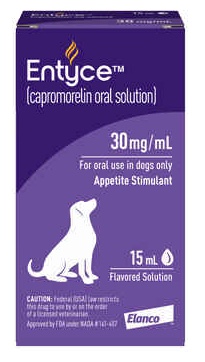
Entyce® — prescription
An FDA-approved appetite stimulant for dogs, supporting long-term health through better nutrition.
Blood pressure and blood production
Enalapril, an ACE inhibitor, relaxes and widens the blood vessels, lowering blood pressure and making it easier for the heart to pump blood around the body.
EPO / Epogen is used to treat anaemia in pets with chronic kidney disease, repeated weekly until levels reach the desired range.
Worried about your pet’s kidneys?
If your pet is drinking more, eating less or losing weight, let us take a look.