
Osteoarthritis in Dogs
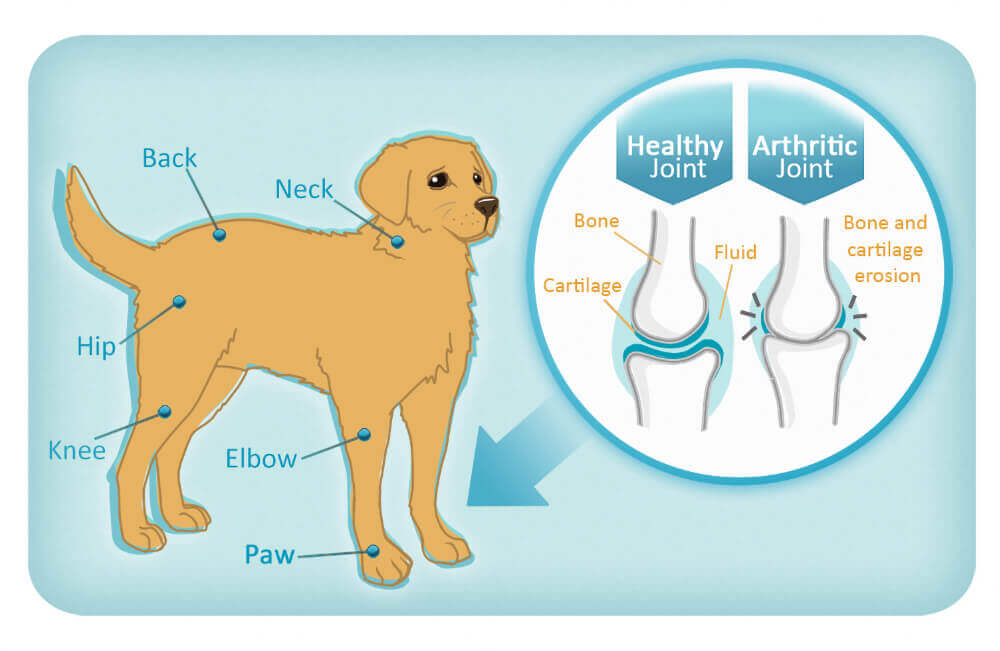
Osteoarthritis is a complex condition involving inflammation and degeneration of one or more joints.
The actual cause is largely unknown, but it's often associated with problems following traumatic injury, hip or elbow dysplasia (where the bones don't sit correctly in the joint), cruciate injury, or dislocation of the shoulder or knee.
Obesity is also strongly associated with osteoarthritis.
It's painful — but it's manageable
Osteoarthritis can't be reversed, but there's a great deal that can be done. Most dogs do best on a combination of approaches rather than any single one: supplements, medication where needed, weight management, and the right kind of exercise.
Supplements
These are natural anti-inflammatories for joints and can be bought over the counter.
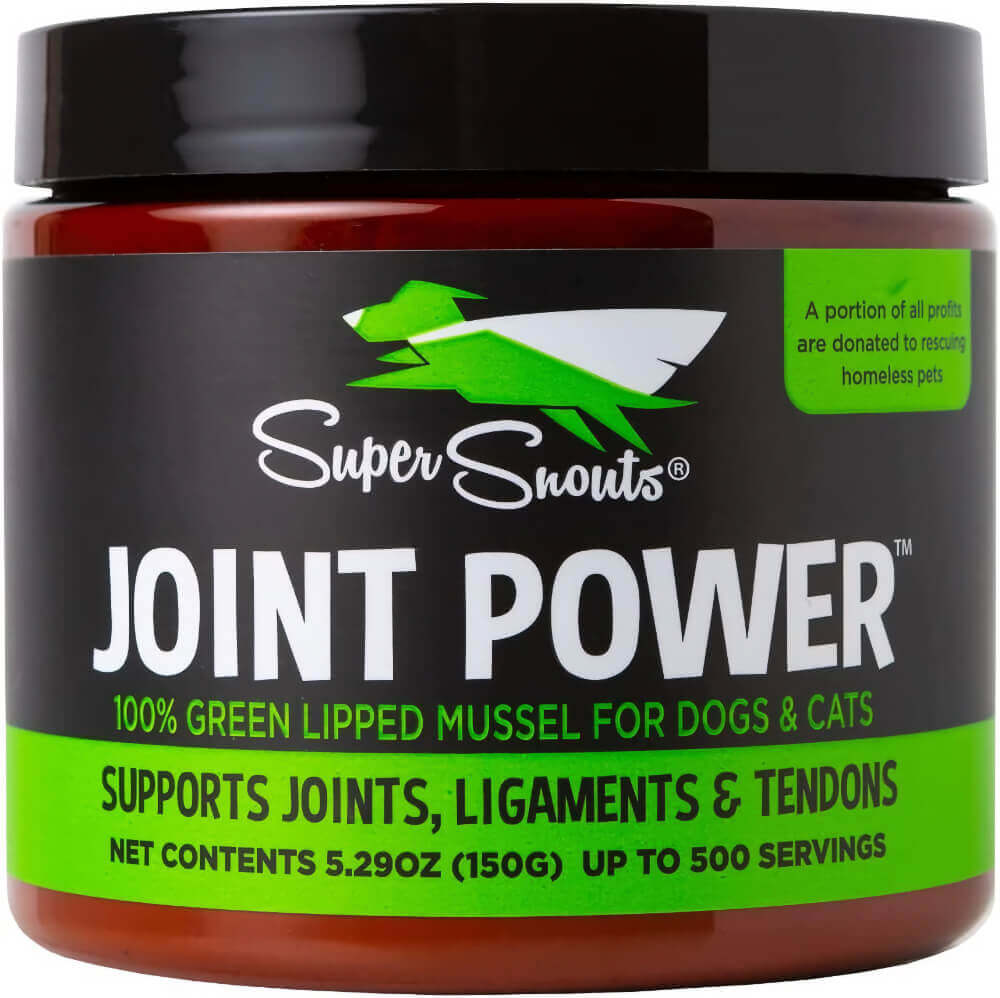
Green lipped mussel
Super Snouts Joint Power
Green lipped mussel extract combines several joint-soothing ingredients that work as a natural anti-inflammatory. Quality varies considerably between products, so the brand matters here.
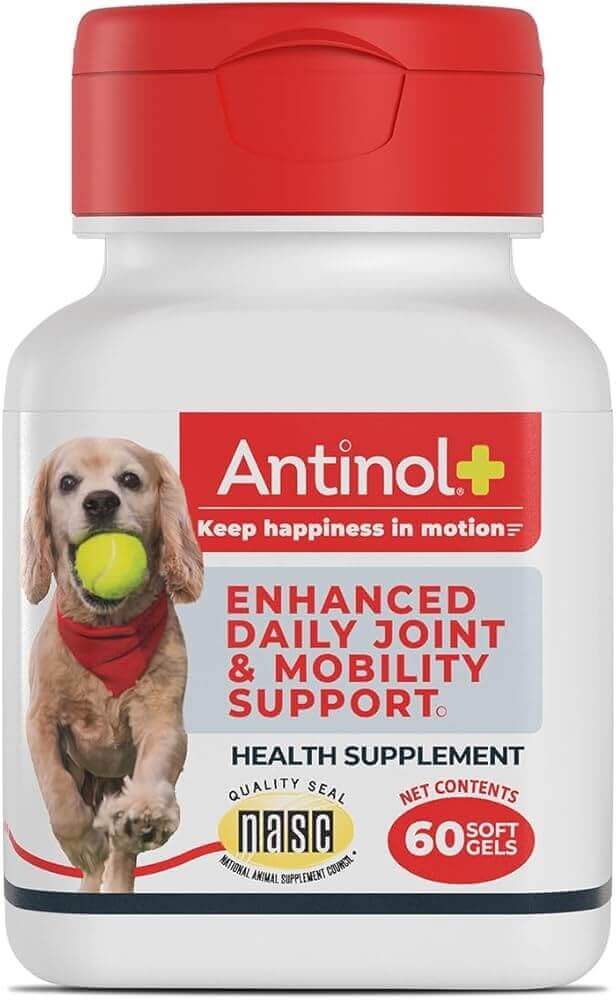
Green lipped mussel
Antinol
A brand-name supplement with published testing behind it. It contains a purified oil extract considerably more concentrated than freeze-dried mussel powder, using mussels sustainably grown and harvested in New Zealand.
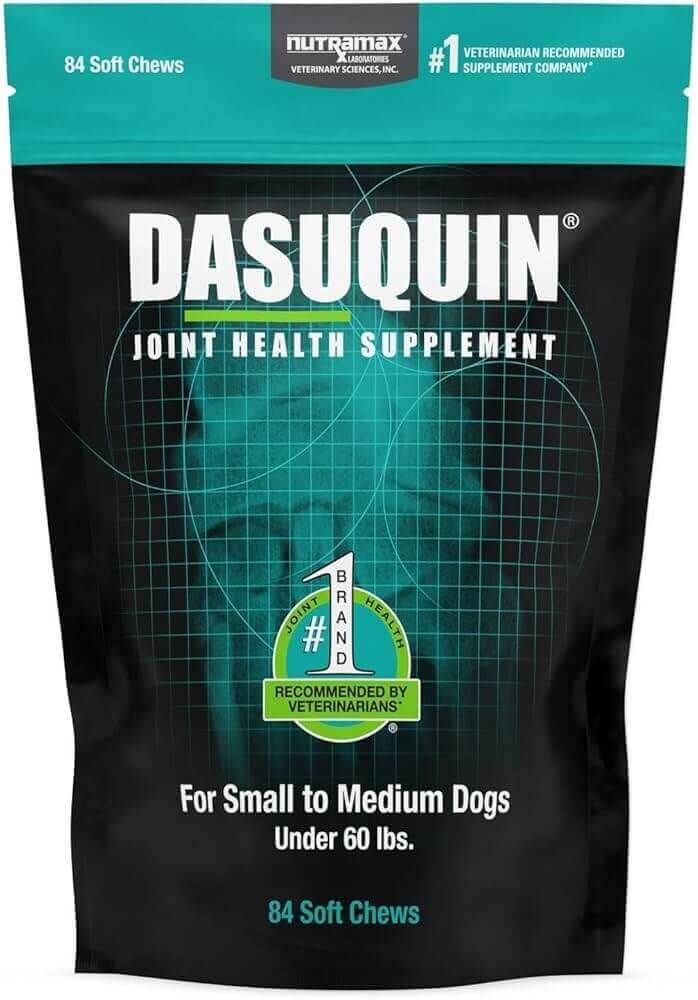
Glucosamine and MSM
Dasuquin or Cosequin
Glucosamine and methylsulfonylmethane (MSM) are naturally occurring compounds used as an anti-inflammatory and antioxidant. We recommend the Nutramax brand.
Prescription Medications
The medications below are available with a prescription and can be effective for both pain and inflammation. Blood work may be necessary with certain medications to keep your dog safe and monitor for side effects.
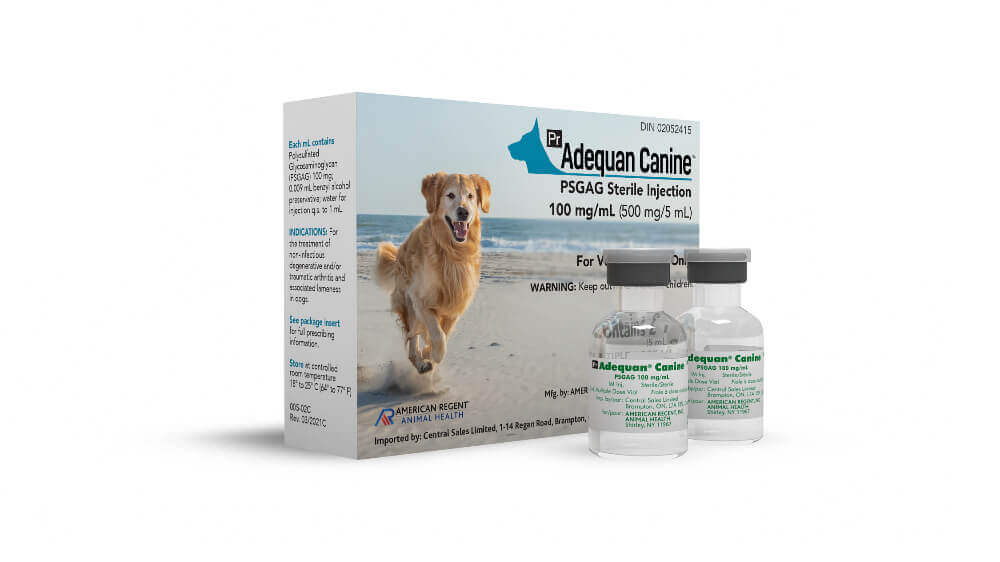
Adequan (polysulfated glycosaminoglycan)
These injections help rejuvenate joint fluid, with roughly a 75% success rate for improved mobility. Given once weekly for six to eight treatments.
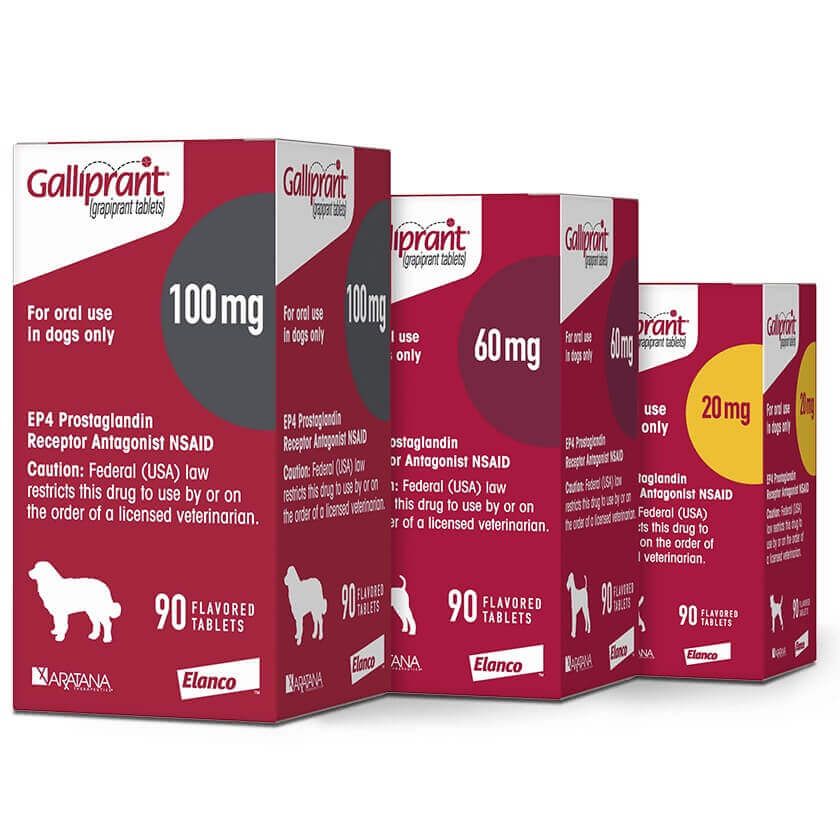
Galliprant
Works similarly to an NSAID but is safer for long-term use, with less chance of kidney injury, stomach ulcers, and liver damage. It can be considerably more expensive. Given once daily.
Rimadyl (carprofen / Vetprofen)
An NSAID targeting inflammation and pain — it works like human NSAIDs but is formulated for dogs. Known side effects include kidney injury, stomach ulcers, and liver damage, which is why monitoring matters. Given twice daily.
Gabapentin
Works by downgrading nerve-pain activity. Traditionally an anti-seizure medication, it works very well for bone and nerve pain. It may cause drowsiness and has no anti-inflammatory effect, so it's often used alongside something else. Given two to three times daily.
Prednisone
This steroid is the strongest option, but is typically kept as a last resort because of its higher likelihood of side effects.
Physical Rehabilitation
Just as important as medication, and it comes in two parts.
Part 1
Diet and weight
Weight management is one of the largest single factors in managing osteoarthritis. Every extra pound is load the joints have to carry.
Slimmer dogs develop less arthritis and live longer. This is the one intervention that's free, and it often makes more difference than anything else on this page.
Part 2
Physical activity
Multiple shorter walks are better than one long one. Always give a warm-up — a short walk — before anything high impact like chasing a ball or playing with other dogs.
Formal rehabilitation with a specialist typically includes passive stretching, range of motion exercises, controlled walking through obstacle courses, and swimming.
Slowing down on walks?
Stiffness after rest, reluctance on stairs, or falling behind on walks are all worth checking. Arthritis responds much better to early management than late.