
5 Rules for a Kitten
Five things that make the biggest difference in your kitten’s first year — food, company, fleas, litter boxes, and staying indoors.
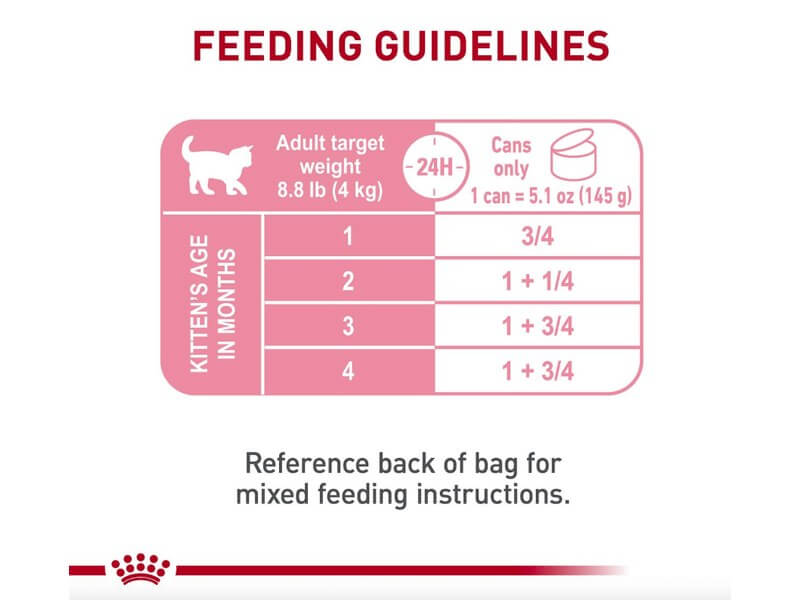
1) Food
- Kitten food until 1 year old.
- Wet food for their whole life. It does not increase dental problems.
- Aim for under 10% carbohydrate and under 50% fat — see catinfo.org.
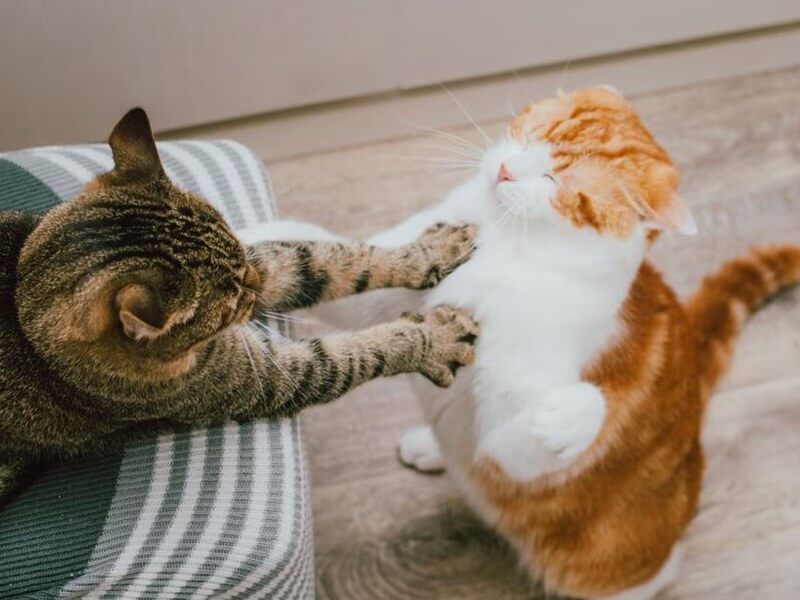
2) Cats Are Naturally Solitary
- A new cat can bring illness into the house.
- It also adds stress, which is linked to bladder ulcers and blockages.
- Introduce new cats room by room, not all at once.
3) Fleas
- Indoor cats still need flea prevention.
- Fleas come in through window screens and on other pets.
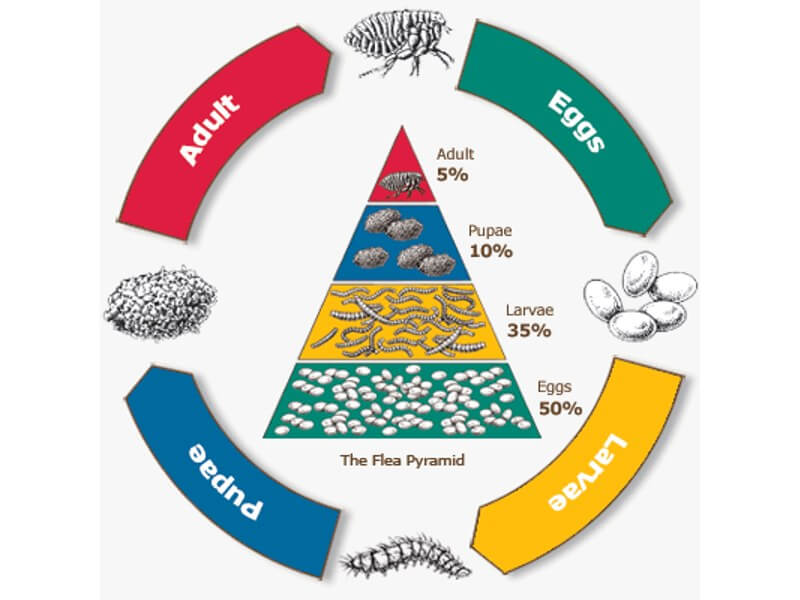
- Adult fleas are only 5% of the problem — most of it is eggs and larvae in the home.
4) Litter Box
- One box per cat, plus one spare in a multi-cat home.
- If the box has a lid, face the opening toward the room.
- Keep boxes somewhere quiet — not beside the washer or dryer.
5) Keep Cats Indoors
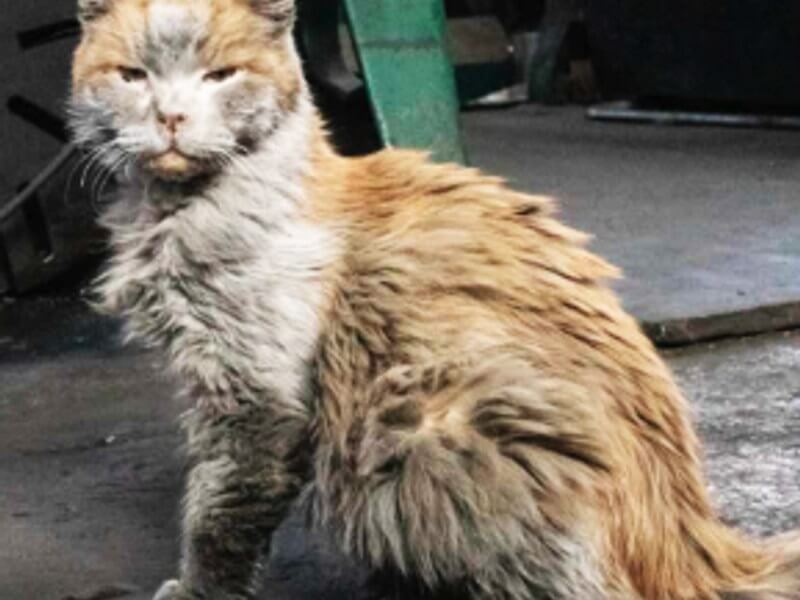
- Indoor cats live far longer — 12–15 years on average, against 5–7 outdoors.
- They still need vaccines: viruses travel in on clothes and shoes.
- Ask us about vaccinating for FeLV.
Questions about your kitten?
We are happy to talk through food, vaccines or anything else in this guide.